The science behind green exercise, restorative movement and why getting outside could be just what your body and mind need.
There’s something about autumn that makes exercising outdoors feel particularly good.
The cooler mornings, changing colours and fresh woodland air make it a wonderful time to pull on another layer and get moving. Here at STOMP, we’re lucky enough to see the seasons changing around us every day, and autumn is undoubtedly one of the most beautiful times to be outside.
But there’s much more to exercising in nature than enjoying the scenery.
Research increasingly supports what many of us instinctively know: spending time in natural environments can benefit our mental wellbeing, and combining that time with physical activity offers a particularly valuable way to look after both body and mind.
So, as the days get shorter and the temptation to stay indoors grows, here’s why autumn might be exactly the right time to take your fitness outside.
Green exercise: why your surroundings matter
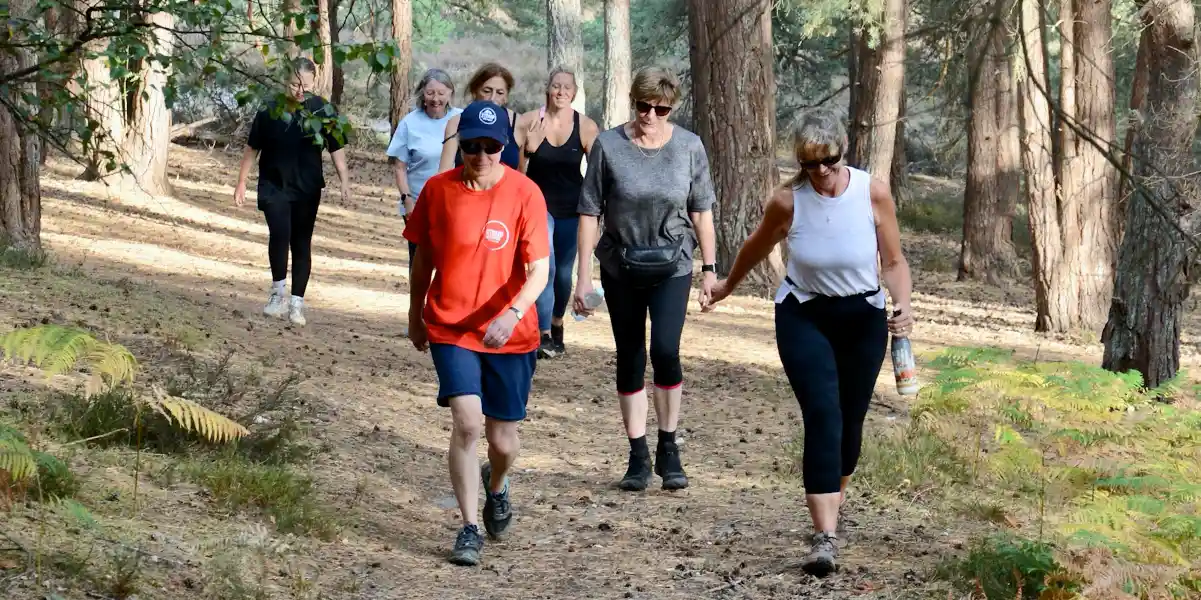
Green exercise is simply physical activity undertaken in natural environments, whether that’s walking through woodland, running across open countryside or taking part in an outdoor fitness session.
And it’s an area of growing interest in health and wellbeing research.
Studies suggest that exercising in natural settings can improve mood, reduce feelings of stress and increase enjoyment of physical activity. Some research also suggests additional psychological benefits compared with exercising indoors, although the findings aren’t consistent across every study.
There’s a good reason why so many of us return from a walk feeling mentally lighter.
Physical activity itself supports mental health through a combination of physiological and psychological processes, including changes in brain signalling, improved sleep and a greater sense of wellbeing.
Natural surroundings may offer something additional: a break from the constant demands on our attention.
Instead of screens, traffic and endless distractions, we’re noticing the changing colours, listening to birdsong and following the rhythm of our footsteps.
It’s an opportunity to give our minds a different kind of stimulation.
And when exercise feels enjoyable rather than another obligation, we’re more likely to make it part of our routine.
What do we mean by restorative fitness?
We often associate effective exercise with working harder, sweating more and finishing a session completely exhausted.
But that isn’t the only measure of a good workout.
Restorative fitness is an approach to movement that considers how exercise affects our overall wellbeing, not just our physical performance.
It isn’t a formal category of exercise, and it doesn’t mean that every session needs to be gentle.
It means finding movement that improves fitness while also supporting recovery, reducing mental overload and helping us feel better equipped for everyday life.
A purposeful outdoor walk, for example, can raise your heart rate, improve cardiovascular endurance and challenge the muscles involved in walking and maintaining posture.
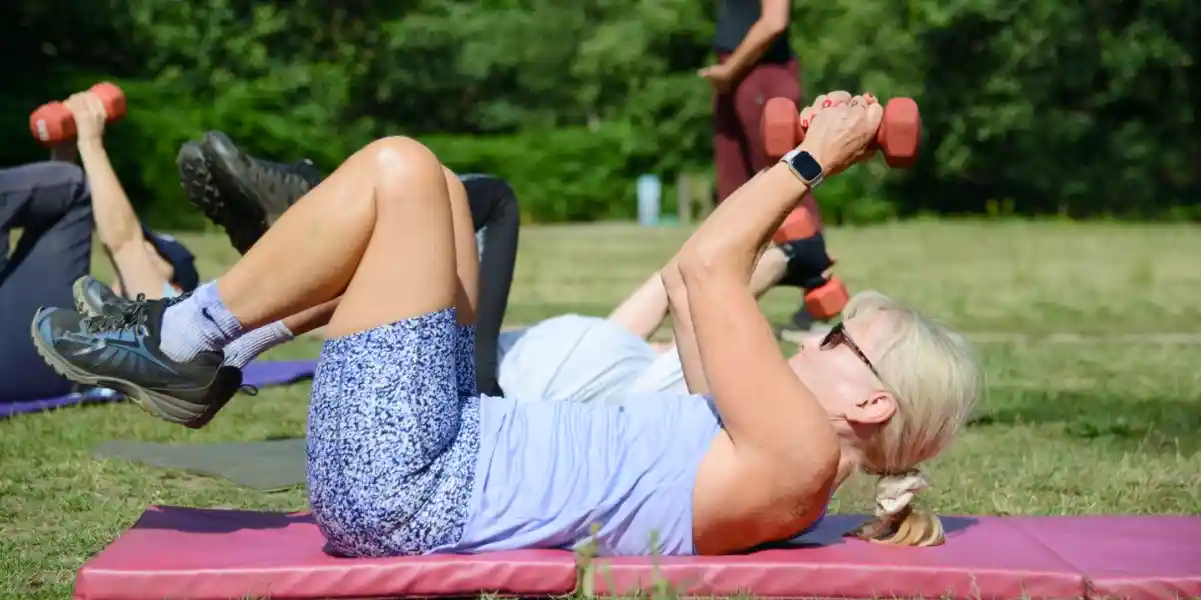
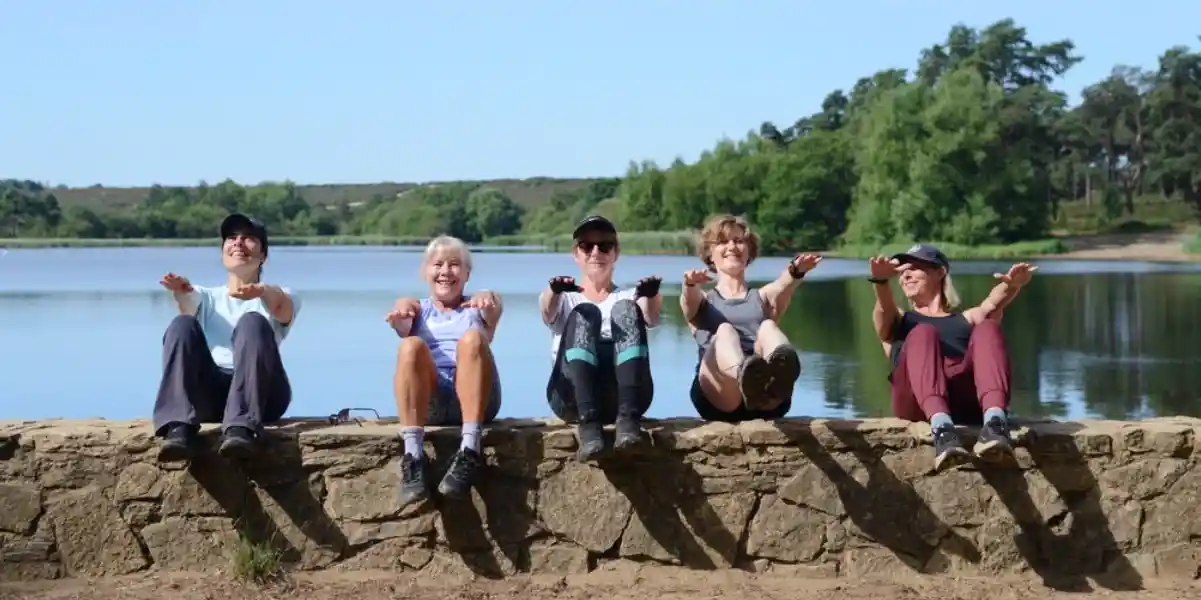
Add structured strength exercises and mobility work, as we do in the STOMP Method, and you’re developing several important aspects of physical fitness within one session.
But there’s another element.
The environment, the social connection and the opportunity to step away from daily pressures can make the whole experience feel restorative.
You can challenge your body without making every workout feel like another source of stress.
That’s an important distinction, particularly when life already feels demanding.
Why this matters for women in midlife
For many women, their forties, fifties and beyond bring changes in sleep, energy, recovery and emotional wellbeing.
Hormonal fluctuations during perimenopause can contribute to disrupted sleep, fatigue and changes in mood. At the same time, work, family responsibilities and everyday pressures don’t necessarily become any easier.
Exercise remains one of the most valuable tools we have for supporting long-term health through these years.
Strength training helps maintain muscle mass and bone health. Cardiovascular exercise supports heart health and stamina. Regular movement can also improve sleep quality and psychological wellbeing.
But the answer isn’t always to train harder.
Sometimes it’s about choosing the right intensity for the day, building consistency and recognising that recovery is part of making progress.
A brisk outdoor walk can be an excellent moderate-intensity workout, particularly when the pace is purposeful enough to increase your breathing and heart rate.
And on days when energy is lower, moving at a more comfortable pace can still provide worthwhile benefits.
At STOMP, we encourage women to understand their bodies, work with their current capabilities and build strength and fitness progressively.
Because exercise should support the life you’re living, not leave you with nothing left for it.
Why autumn is a particularly good time to get moving
As temperatures fall and daylight hours shorten, it’s easy for physical activity to slip down our list of priorities.
But autumn has some genuine advantages.
Cooler temperatures can make exercise more comfortable. For many people, brisk walking and other moderate-intensity activities feel easier in cooler conditions than in the heat of summer.
Daylight helps regulate our body clock. Exposure to natural light, particularly earlier in the day, supports our circadian rhythm, which helps regulate sleep and wakefulness.
Regular movement supports mood. Physical activity is associated with improvements in symptoms of anxiety and depression, and maintaining that routine can be especially helpful as the days become shorter.
The changing landscape encourages us to pay attention. Noticing the colours, sounds and textures of nature can help bring our attention back to the present moment, offering a welcome break from everyday worries.
And perhaps most importantly, getting outside in autumn reminds us that we don’t have to wait for warmer weather to feel good.
A decent pair of shoes, comfortable layers and a willingness to embrace the season are often all we need.
The STOMP Method: more than a walk in the woods
When I created STOMP, I wanted to bring together the things I believe make exercise genuinely effective and sustainable.
Purposeful cardiovascular movement. Structured strength and core work. Mobility. Progression. And an environment where people feel supported rather than pressured.
We workout on the walk, using our natural surroundings as the setting for a complete fitness session.
But over the years, something else has become just as important.
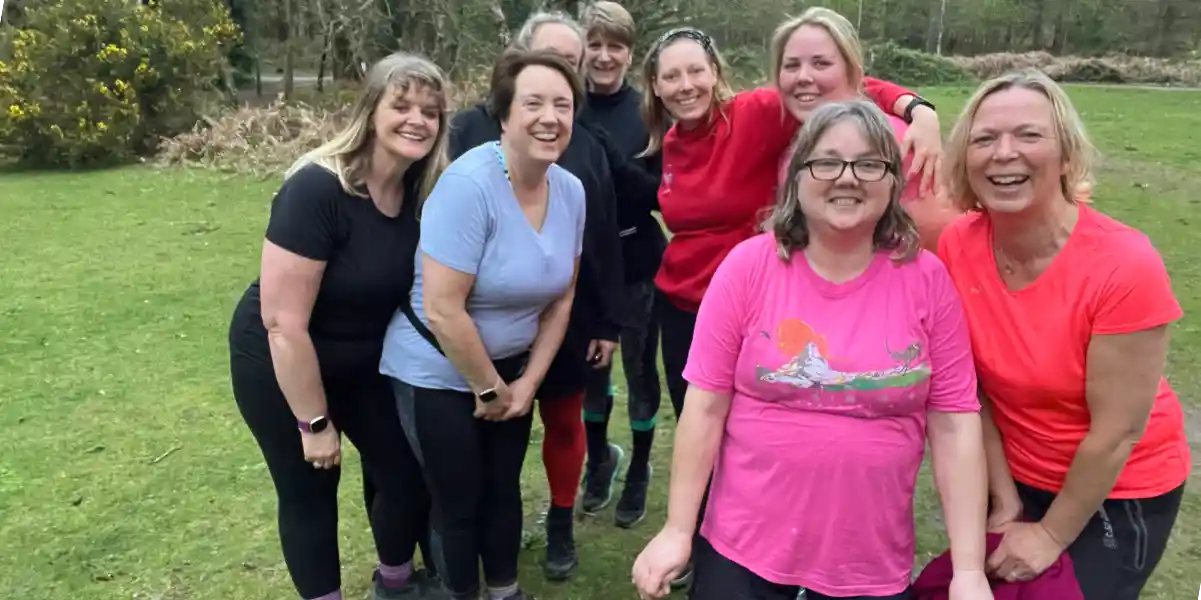
The friendships, conversations, laughter and sense of belonging.
Research consistently links positive social connections with better wellbeing, and exercising alongside others can provide encouragement and accountability that help us maintain healthy habits.
Our STOMP Reset session is a lovely example of this approach.
We spend an hour outdoors focusing on walking pace, posture and purposeful movement, using the time to let go of the weekend and prepare for the week ahead. We finish with three minutes of meditative breathwork, giving everyone a moment to settle before returning to their day.
It’s exercise with a physical purpose, but also space for mental recovery.
And that’s what restorative fitness means to me.
Not doing nothing. Not avoiding challenge.
Moving in a way that leaves you feeling stronger, calmer and better than when you arrived.
This autumn, don’t retreat indoors
One of the most important things I’ve learned in over 20 years as a personal trainer is that consistency matters far more than the occasional perfect workout.
And consistency is easier when we genuinely enjoy what we’re doing.
Autumn gives us an opportunity to embrace a different kind of exercise experience. One that gets us outside, challenges our bodies, connects us with other people and gives our minds some breathing space.
You don’t need to be the fastest walker, lift the heaviest weights or arrive feeling full of energy.
You just need to begin.
So put on another layer, lace up your trainers and come and enjoy the changing season.
Your body will benefit from the movement, and your mind may thank you for the time outdoors.
No shouting. No pressure. Just progress.